By Yorke Editorial · · 6 min read
A century ago, hundreds of people lived and worked at Inneston, mining gypsum in what is now Innes National Park. Today its ruins are slowly returning to the mallee.
A town in the scrub
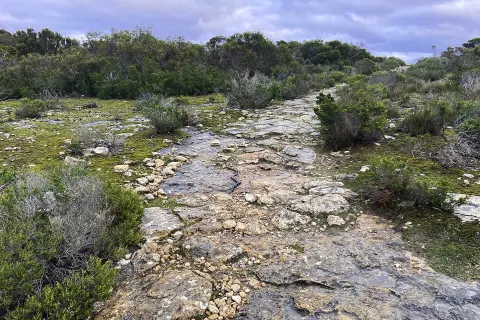
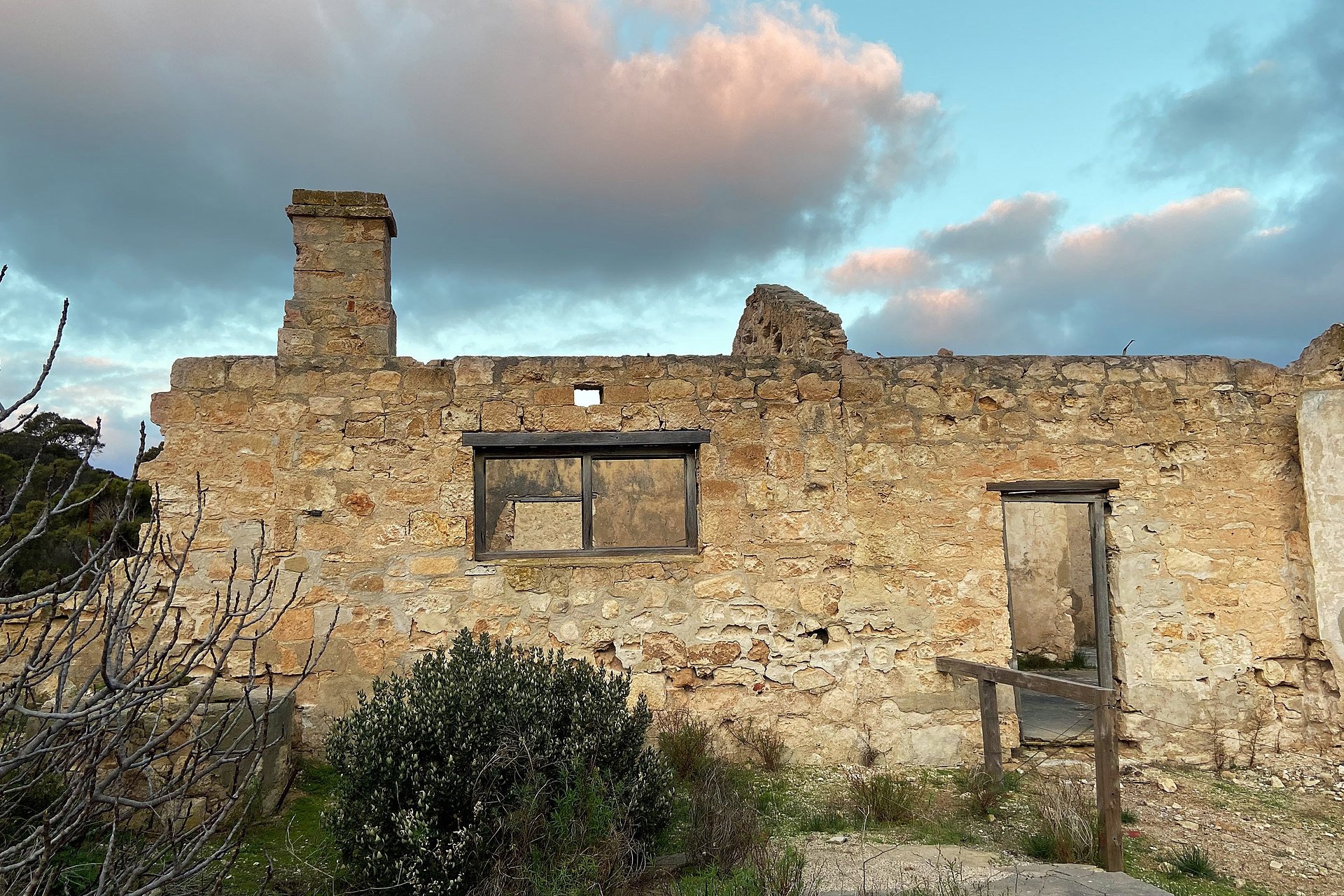
Drive into Innes National Park today and it is hard to imagine the place once hummed with industry. But scattered through the mallee near the centre of the park are the stone bones of Inneston - a township that, a century ago, was home to hundreds of people drawn by one thing: gypsum.
The soft white mineral, used in plaster and cement, was quarried from the lakes and dunes here from the early 1900s. A whole community grew up around the work: cottages, a store, a school, a bakery, even a town hall, all built from local stone in this remote corner of the peninsula.
The lifeline to the sea
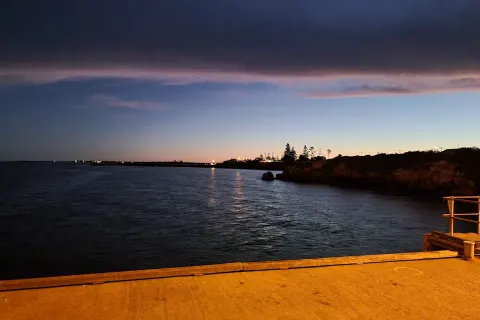
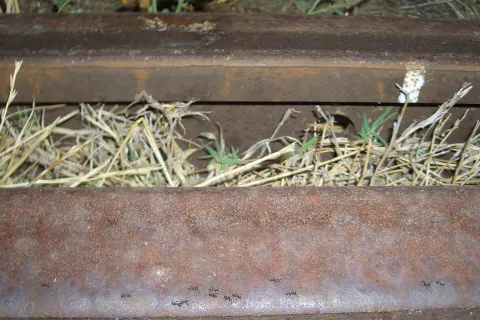
What made it all possible was the jetty at Stenhouse Bay. Gypsum was carried from the workings down to the coast on a tramway and loaded onto ships bound for interstate markets. The town lived and died by that connection to the sea.
When demand fell and the mine finally closed in the 1930s, Inneston emptied almost overnight. People moved on, the buildings were left to the elements, and the bush began its slow reclamation.
Walking the ruins
Today a heritage walk threads between the roofless walls and empty windows, with interpretive signs explaining how families lived and worked here. A handful of cottages have been restored and now serve as park accommodation - you can sleep in a gypsum-miner's house and wake to kangaroos on the old town common.
The rest is left to the mallee. There is a melancholy beauty to it: proof that even this wild coast, now prized for its emptiness, once held a thriving town that the world simply forgot.