By Yorke Editorial · · 6 min read
Every two years the Copper Triangle towns throw the biggest Cornish festival on earth - a riot of pasties, brass bands and furry dancing that celebrates the heritage the copper boom left behind.
A festival built on copper
Moonta, Kadina and Wallaroo were built by Cornish miners who crossed the world in the 1800s to work one of the richest copper fields in the British Empire. They brought their language, their pasties, their chapels and their songs - and "Little Cornwall" never forgot.
Every two years, that heritage erupts into Kernewek Lowender, billed as the largest Cornish festival in the world. The three towns of the Copper Triangle fill with visitors for days of celebration rooted in the culture the copper boom left behind.
Pasties, processions and furry dancing
The festival is gloriously specific. There are pasty-making competitions and the famous "largest pasty" displays. There are brass bands and street processions, mining-heritage tours of the old engine houses, and the curious spectacle of the furry dance - a traditional Cornish street dance where couples in period dress weave through the streets.
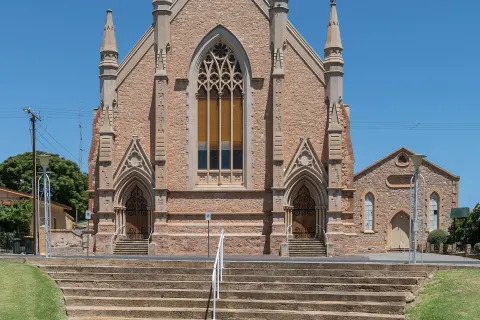
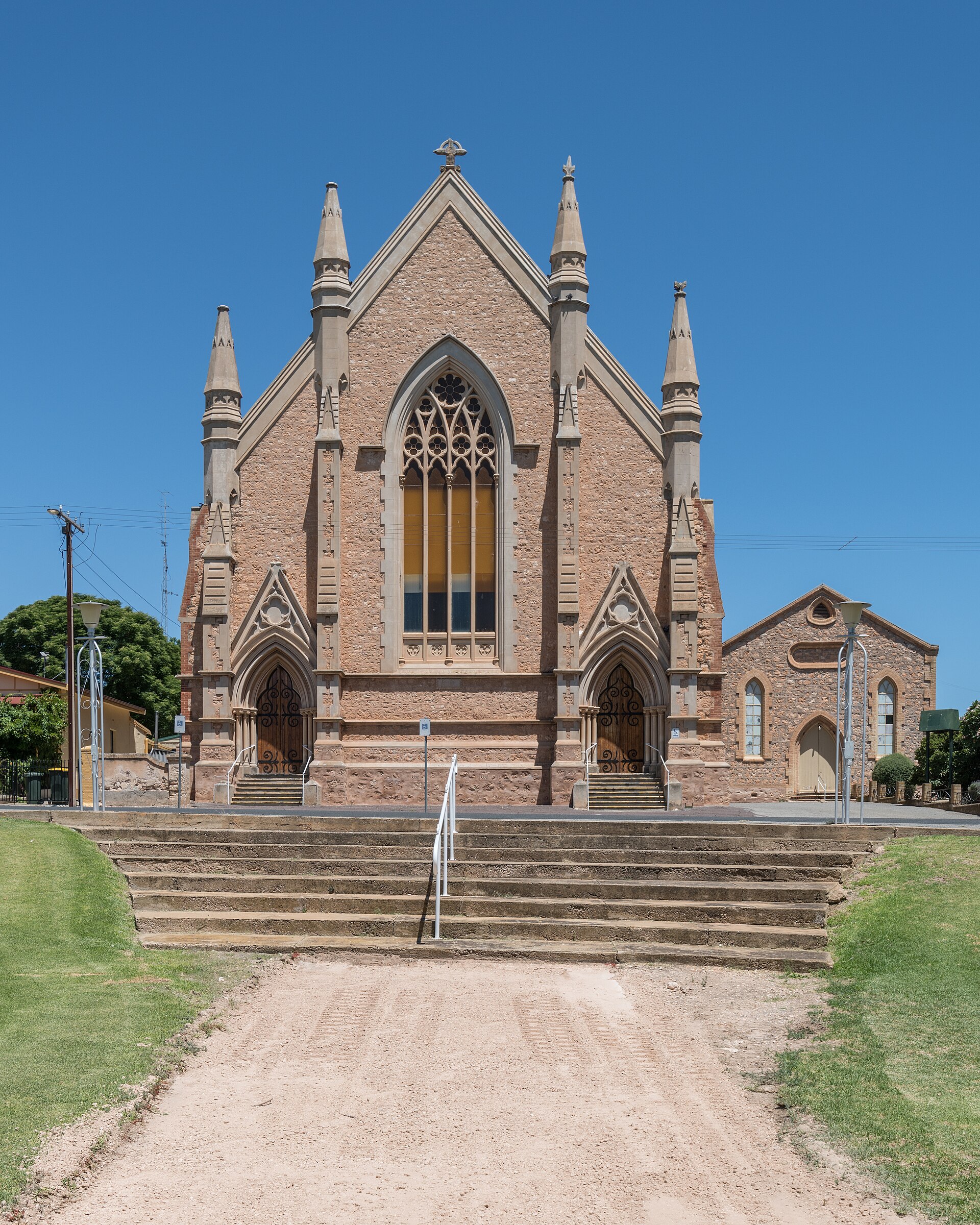
Chapels open their doors, choirs sing the old hymns, and the institutes and halls built with copper money host concerts and feasts. It is part history lesson, part enormous community party.
Why it matters
Kernewek Lowender is more than nostalgia. It is the clearest expression of what makes the Copper Coast distinctive - a corner of South Australia that wears a transplanted Cornish identity with genuine pride. The engine houses and chimney stacks that dot the landscape come alive with the people whose ancestors built them.
Even outside festival time, that heritage is everywhere: in the pasty shops, the stone streetscapes and the museums. But to see Little Cornwall truly come alive, time your visit for the Lowender.